0
%
Commercial Focus

Wholesale is a series of commercial choices: which products to consider, which conditions to confirm, and how supply should fit the market. We help buyers and suppliers examine those choices through product sourcing and distribution discussions rooted in their business priorities.

Our role brings purchasing interests into conversation with supplier ranges. We consider category fit, merchandise details, and supply conditions so retailers, resellers, and brand owners can explore the potential of a wholesale relationship.
Every opportunity begins with the products involved and the business purpose behind buying or supplying them.
A useful working relationship starts with knowing what each business requires. We discuss the range, proposed quantities, supply conditions, and next steps so the opportunity can be assessed on a shared basis.
Range details, proposed terms, and channel restrictions give the buyer a clearer view of what a supplier can offer.
Product suitability, availability, and order requirements help buyers assess how a proposed supply arrangement fits their plans.
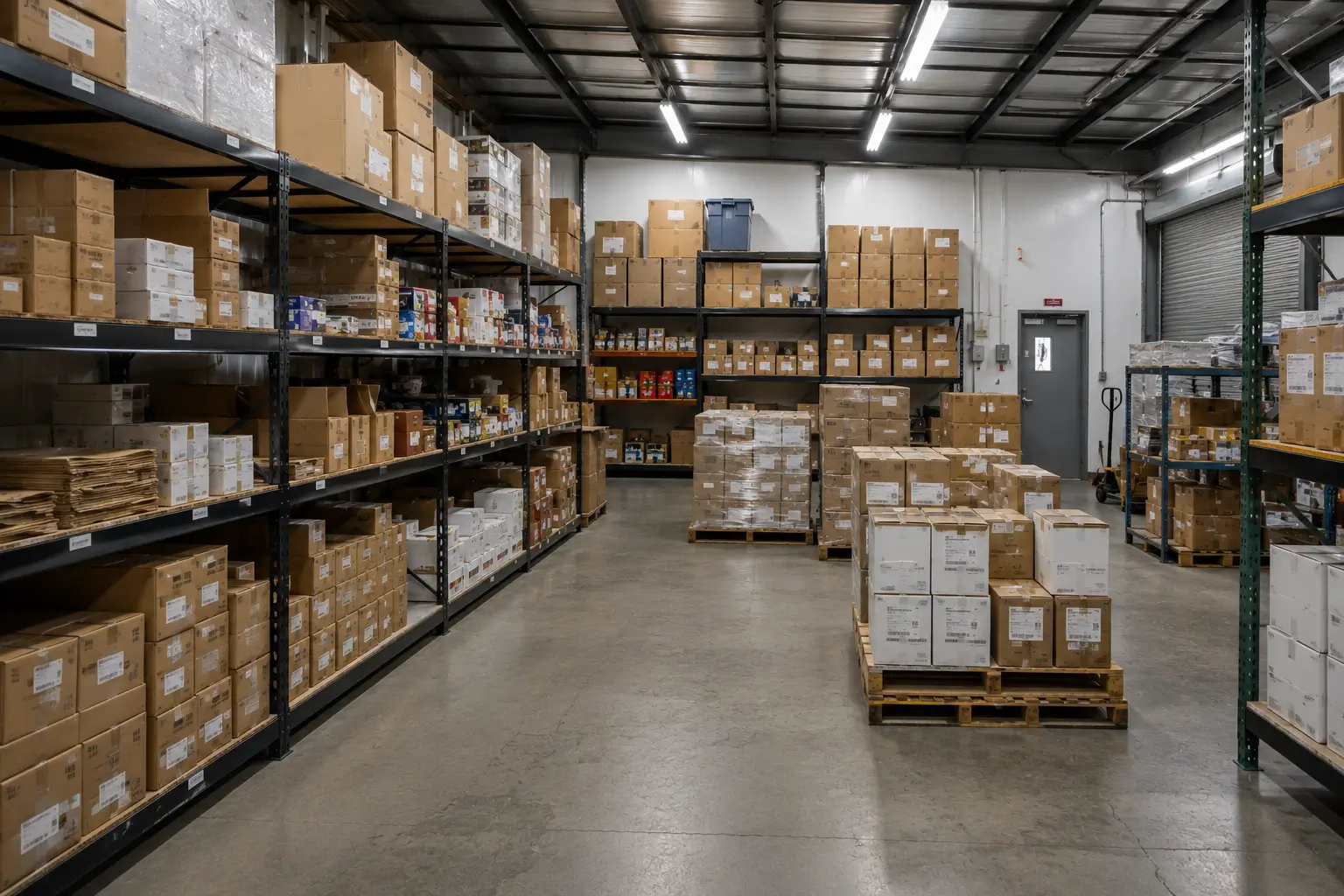
The way a supply opportunity is assessed matters as much as the opportunity itself. These principles keep our attention on useful information, realistic conditions, and the purpose of each business relationship.
Open discussion of requirements and limitations helps businesses judge an opportunity with the information they need.
A considered review of product data and purchasing conditions helps keep the next steps well defined.
We consider the aims of the buyer and supplier when discussing how a commercial relationship could work.
Supply options are assessed in light of current availability, category demand, and the requirements of the inquiry.
Packaging, item information, and handling requirements remain relevant throughout the distribution discussion.
We look for commercial arrangements that fit the businesses involved and provide a basis for future discussions.
A business range rarely stands still. We approach wholesale discussions with attention to the current purchase and the further sourcing needs that may follow as your assortment and market evolve.
Help businesses evaluate merchandise and supply conditions through focused wholesale discussions.
Create room for useful commercial relationships between those developing product ranges and those bringing them to customers.
Reassess supply possibilities as product demand, availability, and purchasing priorities develop.
Keep future category interests and replenishment needs part of the wider business conversation.

Product knowledge, commercial detail, and purposeful communication guide how we approach inquiries. Together they provide a practical basis for discussing sourcing and distribution needs.
Whether you are refining a buying list or introducing a supplier range, share the commercial details that matter to you. An informed discussion can help establish which options deserve further consideration.